
Independent Children’s Lawyers: A Voice for Children in Parenting Orders Matters
Peak legal bodies, including the Law Council of Australia and the Law Society of NSW, have warned that inadequate Legal Aid funding may restrict access to justice for vulnerable families. As Legal Aid NSW reduces the number of people it can assist, Independent Children’s Lawyers (ICLs), who represent children in the most complex family law matters, are also feeling the impact, as discussed in a recent Law Society Journal article.
For families going through separation, particularly where there are concerns about family violence, abuse or a child’s safety, an ICL can be one of the few safeguards ensuring a child’s voice and welfare remain central to parenting orders proceedings. So what does an ICL actually do, and why does their independence matter?
What Is an Independent Children’s Lawyer?
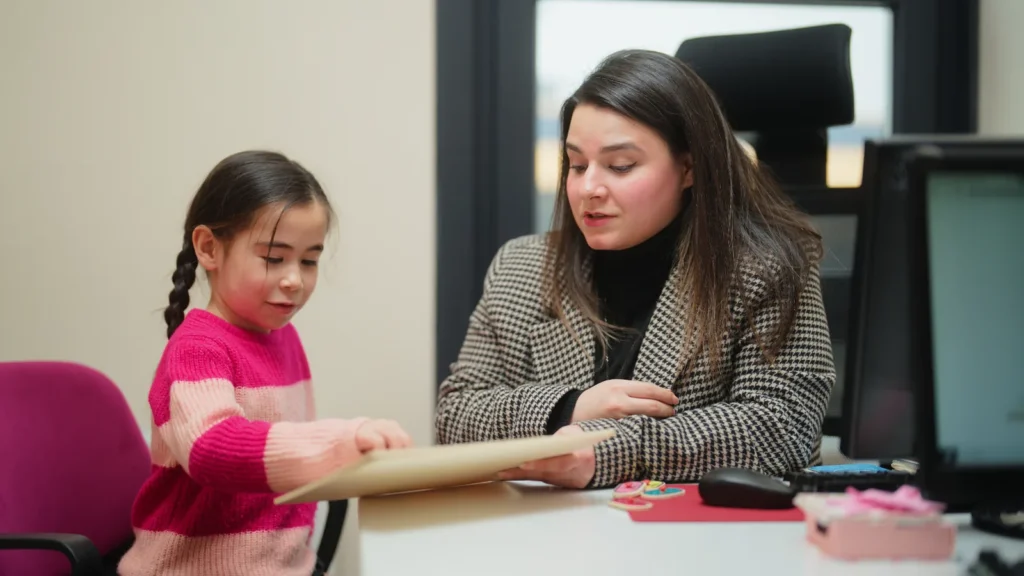
An ICL is a best interests representative. Unlike a solicitor acting for an adult client, an ICL does not take instructions from the child. Instead, their role includes obtaining relevant evidence, facilitating the child’s participation in the proceeding, minimising the trauma associated with the process, informing the court of the child’s views and wishes, and making submissions about the course of action they consider to be in the child’s best interests.
That independence and impartiality is the foundation on which everything else is built.
When Are ICLs Appointed?
ICLs are generally appointed in family court parenting orders matters that are particularly complex or sensitive, including cases involving allegations of family violence, abuse or neglect, high conflict between parents, serious mental health concerns, or difficult questions about a child’s welfare. Child custody laws in Australia, formally known as parenting orders, are the framework within which ICLs are appointed to protect the interests of the child, rather than advocate for either parent.
When Family Violence Is a Factor
Many of the matters where an ICL is appointed involve concerns about family violence. This may include cases where a domestic violence order has already been made, or, in NSW, where an AVO (Apprehended Violence Order) is in place. Family violence and safety concerns are often central to the evidence an ICL needs to gather and test before making submissions to the court about what arrangements are safe and appropriate for a child.
Why Independence Matters
Family law proceedings can be shaped by adult conflict, trauma and competing accounts of what is best for a child. An ICL helps ensure the child is not lost in that conflict, gathering and testing evidence, assisting the court to understand the child’s circumstances, and helping identify risk.
Minimising the Impact on the Child
Kerri Phillips, principal solicitor at Phillips Levy Bennett Legal and an Accredited Specialist in children’s law, has explained that minimising the impact of proceedings on a child often comes down to good case management, so matters don’t drag on unnecessarily. A core part of the role is listening to the child and explaining the process in a way that suits their age and circumstances, while also working to confine the issues in dispute and help parents reach agreement where possible.
Funding Pressures Are Already Being Felt
Most ICLs in NSW are funded through Legal Aid, with fees linked to different stages of a matter: an initial fee, a preparation fee once a matter is listed for final hearing, and a daily fee for appearing in court.
Legal Aid NSW initially confirmed a series of changes to family law services, including a shift that will mean ICLs only appear at final hearings where one or both parties are self-represented. It has since issued an update softening its position on care and protection services, confirming there would be no cuts in that specific area, following advocacy from practitioners including NLS Law’s own Neisha Shepherd. But that softening was limited to care and protection funding, it didn’t extend to the broader tightening of family law services, and funding for ICL work remains inadequate, with practitioners warning that current funding levels affect the practical capacity of solicitors to take on ICL appointments, particularly in matters involving extensive evidence, subpoenas, expert reports and lengthy final hearing preparation.
The Real-World Impact on Children
Within a week of the changes taking effect, Neisha Shepherd, Solicitor Director at NLS Law and an Accredited Specialist in Children’s Law, said the consequences for children specifically were already becoming clear. Shepherd described one change as particularly concerning: “Perhaps most concerning of all, children may no longer have an Independent Children’s Lawyer at a final hearing where both parents are represented, even though those hearings determine their future.”
Without an ICL in the room, there may be no one at a final hearing whose sole role is to represent the child’s best interests, even where both parents have their own lawyers arguing their own positions.
“Family Law Is Not About Paperwork”
Shepherd has warned that reduced access to ICLs risks leaving children without an independent voice at the exact point their future care arrangements are being decided, and said she would spend the coming weeks meeting with stakeholders and Members of Parliament to advocate for change to the funding model in NSW.
“I became a lawyer to ensure that children and vulnerable persons had a voice,” she said. “I cannot stand by while that voice is taken away. Because justice delayed is harmful. Justice denied is unacceptable.”
What This Means for Families
For parents and families involved in parenting orders disputes, particularly those involving family violence, abuse allegations or complex welfare concerns, understanding how an ICL may be involved in a matter, and seeking early legal advice, can help families navigate the process with greater clarity before costs and complexity escalate.